
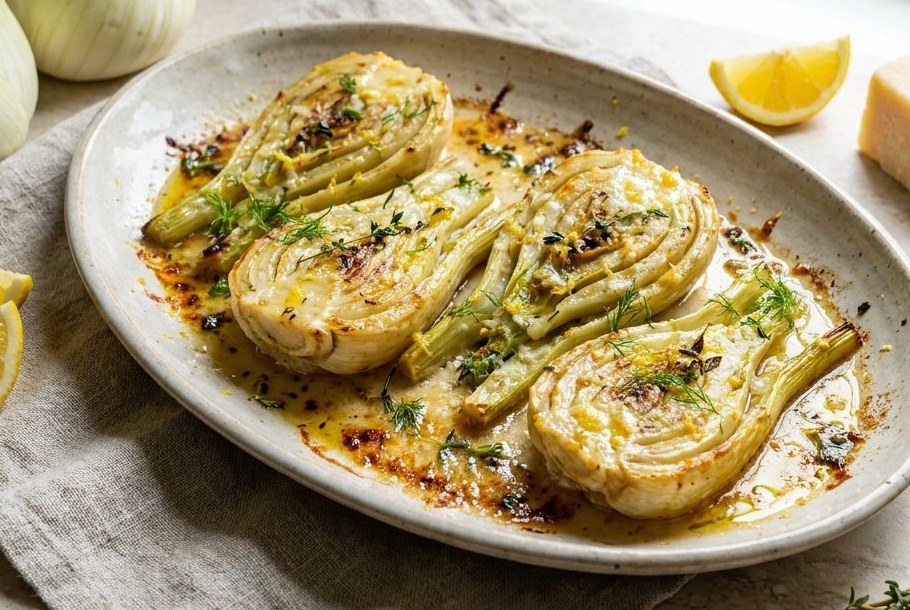
The season can give a meal direction without telling you exactly what must be on your plate. In Norway, long summer evenings and dark winter afternoons naturally suggest different ways to cook. Your local shop, freezer, budget and preferences matter just as much. Think of seasonal cooking as a set of invitations: something crisp, something roasted, a fresh herb or a pot that can simmer while the room grows warm. Availability varies by region and supplier, so check what is actually good where you shop rather than assuming a calendar guarantees it.
Let spring bring a lighter finish
As the days lengthen, herbs and bright dressings can change the character of familiar meals. You might finish fish with dill and lemon, turn greens quickly in a hot pan or serve something tender beside a crisp vegetable. Asparagus can be a useful ingredient when its condition and price suit your plan. Look at the ends and the overall freshness rather than buying it simply because spring has arrived. The point is not to construct a menu from a strict seasonal list. It is to choose a finish that makes your usual ingredients feel appropriate to the moment.
Keep summer cooking flexible
Summer meals can benefit from components that are ready before you want to sit down. Wash leaves, prepare a dressing and plan which ingredients need refrigeration until serving. A cold salad still needs a considered balance of texture and flavour. Put crisp vegetables beside something softer, and use herbs or acidity deliberately. If you cook outdoors, follow the recipe and appropriate food handling rather than assuming a hot surface cooks every piece evenly. Warm weather is also a reason to think carefully about how long perishable ingredients remain out of refrigeration.
Give vegetables enough attention
Seasonal vegetables do not have to be expensive or unusual. Cabbage, cauliflower, broccoli and greens can form a varied repertoire when the cooking method changes. Roast one, braise another, use a crisp raw preparation where the recipe calls for it and finish greens quickly. Check the ingredient weights and portions rather than classifying a whole vegetable as automatically suitable for every carbohydrate target. The actual meal includes its sauce and accompaniments. A carefully cooked vegetable is a pleasure in its own right, not merely a way to make the rest of the plate look more complete.
Use autumn for browned flavours
Mushrooms, roasting and deeper sauces can give autumn dinners a different character. Let mushrooms lose excess moisture before expecting browned edges, and avoid filling the pan beyond what it can handle. If you buy cultivated mushrooms, choose good-quality ingredients and use the recipe's preparation method. Wild mushroom identification requires real expertise; an attractive photograph or a cooking article is not an identification guide. Use only mushrooms known to be edible from a reliable source. The flavour of a mushroom dinner should come from careful cooking, not from taking a risk with an uncertain ingredient.
Plan a few winter pots
A soup, stock or slow-cooked dish can be worth making when you have time to organise it. Read the complete timing first and plan storage for any extra portions. A large pot does not become a useful batch merely because it contains several servings. You need containers, refrigerator space and a clear idea of when you will use them. Pair a softer dish with something that gives contrast, such as a suitable crisp vegetable or greens prepared separately. This keeps the plate interesting without asking a winter evening to carry an elaborate collection of side dishes.
Let the freezer support the season
Frozen ingredients can be useful when fresh options are poor, expensive or impractical. Check the recipe and product label, and understand how extra water may affect the method. An ingredient that goes straight from the freezer into a pan can produce a different texture from one thawed and drained as instructed. This is a cooking question, not a judgement about whether the ingredient belongs in your kitchen. Keep a short list of dishes that work with the frozen items you actually buy, so the freezer gives you reliable choices rather than a collection of forgotten bags.
Shop with your next meals in mind
Look at your week before choosing a seasonal ingredient that needs immediate attention. A beautiful purchase is less useful if you have no evening in which to prepare it. Buy quantities that match your plan, and consider whether one ingredient can serve two distinct meals. Herbs might finish both a fish dish and a dressing; a head of cabbage could support different cooking methods. Keep the meals distinct enough that shared ingredients do not become repeated dinners. If you are comparing nutrition estimates, compare actual serving quantities rather than just ingredient names.
Bring acidity into every season
Rich winter food and fresh summer food can both benefit from a clear acidic finish, used in the amount the recipe specifies. Lemon, lime and vinegars contribute different flavours; they are not always direct substitutions. Some prepared dressings or vinegars also have additional ingredients that need to be counted or checked for allergens. Taste with the finished food rather than deciding from a spoonful alone. A little more brightness can make the meal feel balanced, but adding liquid indiscriminately may also dilute a sauce you have spent time reducing.
Make your own seasonal return list
At the end of a season, note three meals you want to return to. Record what was good about them: the herb, the cooking method, the preparation you did earlier or the way a vegetable tasted beside the main dish. Ketogeni's Cream of Mushroom & Thyme, Butter-Braised Fennel and Lemon-Dill Salmon Cakes offer different places to begin. Use the season to select among them rather than to make promises about their health effects. A seasonal kitchen is most useful when it helps you notice ingredients and make a dinner you want to cook again.