
A sauce is often the difference between food that is cooked and a dinner that feels complete. It carries flavour across the plate, gives a dry ingredient something to meet and makes a simple vegetable worth lingering over. You do not need a large collection of recipes to gain that flexibility. Five useful sauce families offer a good working repertoire. These are a practical way to organise your own cooking, rather than a claim that every classical mother sauce can be replaced by the same low-carbohydrate ingredient.
Begin with a reduced pan sauce
After cooking a piece of meat, look at the browned traces in the pan. If they are golden or brown rather than burnt black, they can become the beginning of a sauce. Remove excess fat as the recipe directs, soften any aromatics and add the specified liquid. Scrape gently to release the browned material, then simmer to concentrate the flavour. Taste before adding more salt. Stock becomes saltier as water evaporates, and some prepared stocks begin quite seasoned. If the pan tastes scorched, wash it and start a clean sauce rather than trying to disguise bitterness.
Know what reduction changes
Reduction removes water; it does not make the other ingredients disappear. A wine-based sauce needs to be counted as a wine-based sauce, and you should not assume that simmering removes every trace of alcohol or carbohydrate. Use the amount in the recipe and follow its nutrition notes. Pay attention to the visual result as well as the clock. A broad pan, a small saucepan and a different stove can reduce liquid at different speeds. The sauce should reach the texture you want without becoming an intensely salty spoonful.
Use cream as a finish, not a rescue
A cream sauce works best when the flavour underneath it is clear. Brown mushrooms properly, soften shallots or infuse an aromatic before adding the cream. If those ingredients are pale and watery, pouring in cream does not give them the flavour they are missing. Let the sauce simmer gently and stir around the edges of the pan. Taste a cooled spoonful so heat does not hide the balance. Acidity may help, but add it carefully and follow the recipe if the sauce is sensitive to splitting. Dairy alternatives behave differently and deserve their own test.
Treat butter sauces gently
Butter can give a pan sauce shine and a rounded texture. When a recipe calls for cold butter to be whisked in at the end, the instruction is part of the method. It is not simply another way to add fat. Work with small pieces and controlled heat. Once the sauce is finished, avoid a hard boil unless the particular recipe tells you otherwise. A separated sauce may still contain good ingredients, but its texture has changed. Learn the visual signs of the sauce you are making instead of relying only on a time printed beside the step.
Make one reliable egg emulsion
Mayonnaise and hollandaise ask for different methods, but both teach you to watch an emulsion come together. Start with a tested recipe, use the specified ingredient quantities and add fat at the pace it describes. A stable sauce is the goal, not a contest to pour faster. Use appropriate egg handling and the recipe's storage guidance. Do not assume that a homemade egg sauce keeps as long as a sealed commercial jar. Label the container when you make it, and keep it refrigerated when the recipe requires that.
Keep a bright herb sauce available
Herbs, oil and acidity can finish roasted vegetables, fish or a cold lunch without making every dish creamy. Chop or blend according to the texture you want, and taste with the food it will accompany. A dressing tasted by itself may seem too sharp but become balanced on a rich ingredient. Equally, a mild sauce can disappear when spread across a large platter. Keep additions deliberate: capers, anchovies, mustard, nuts and cheese change both flavour and allergen information. They are useful ingredients, not interchangeable decorations.
Give vegetables a sauce of their own
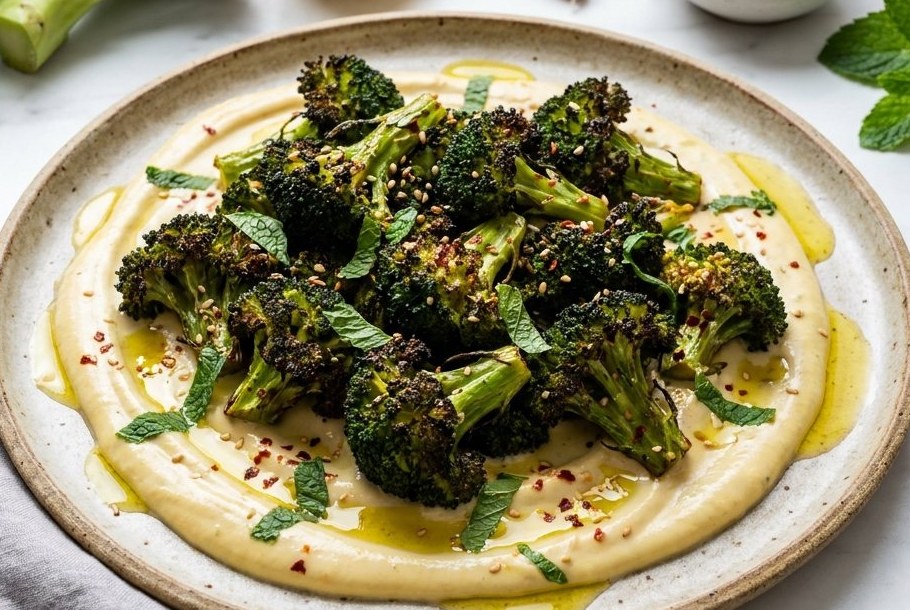
Think beyond pouring the protein's sauce over everything. Lemon-tahini cream can make broccoli the centre of a plate. A small spoonful of herb dressing can bring warm fennel into focus. Vegetables release water as they cook, so dry or drain them as the recipe directs before adding a dressing. Otherwise the sauce you balanced carefully may turn into a puddle. Add a little, turn the vegetables gently and decide whether they need more. Enough sauce to coat is often more useful than enough sauce to conceal the cooking beneath it.
Match the sauce to the cooking
A deeply browned ingredient often suits a sauce with a clear contrast: acidity, herbs or a softer texture. A delicate ingredient may benefit from a quieter finish. You can make this choice before dinner by asking what the main cooking method will contribute. Roasting brings browned edges; steaming preserves a different character; slow braising makes tenderness part of the meal. Let the sauce complete that character instead of competing with every detail. If you are trying a new combination, keep one element familiar so you can tell what the experiment changed.
Taste with the whole plate in mind
Near the end of cooking, taste the sauce beside a piece of its intended food. Check salt, acidity and texture in that combination. Remember that a salty cheese topping, olives or a cured ingredient will contribute more seasoning at the table. Write down successful proportions so next time you are adjusting a known starting point. Ketogeni's pan-sauce guide, lemon-tahini broccoli and mushroom soup offer different ways to practise these habits. Use each recipe's quantities and estimates, and check labels rather than treating the words creamy, herbal or homemade as a nutrition calculation.