
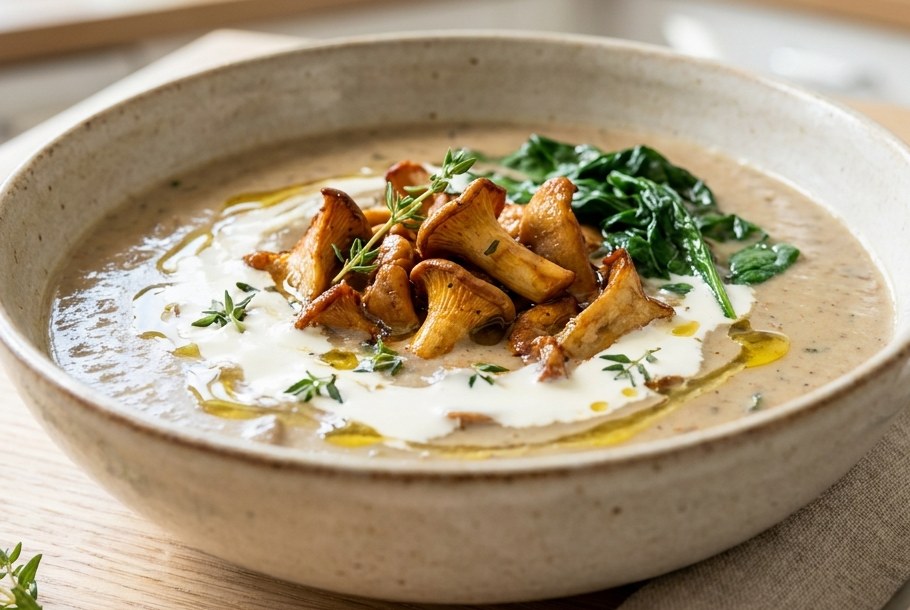
Dinner can become repetitive even when your cupboards are full. The same chicken, the same handful of leaves, the same quick dressing: useful meals gradually turn into a routine you barely notice. You do not need a completely new set of ingredients to make cooking interesting again. Often you need one deliberate change. A darker roast, a different sauce, or something crisp beside something soft can make familiar food feel considered. Start with the part of dinner that has become predictable and give it a little attention.
Notice what you keep repeating
Think about the last three dinners you made. Were they all cooked in the same pan? Did they all have a creamy sauce? Were the vegetables always steamed? Repetition is not a fault; reliable meals make busy weeks manageable. The useful question is whether reliability has quietly removed every contrast. Write down the protein, vegetable, cooking method and finishing flavour for each meal. A repeated ingredient matters less than a repeated combination. Chicken can be roasted with lemon, simmered with mushrooms or served cold with a sharp herb dressing.
Choose a flavour direction
Give tonight's meal a direction before you start adding seasonings. Lemon and dill suggest something different from garlic and thyme. Sesame, ginger and a splash of tamari belong to another conversation again. Keep the direction simple enough that you can recognise it in the finished dish. If you add every condiment that sounds appealing, the result can taste busy without tasting distinctive. Pick one main aromatic, one source of acidity and one finishing ingredient. Check the labels of sauces and account for the quantities you actually use.
Change the texture beside the main dish
A plate of tender food often needs something with an edge. Soft cauliflower purée can sit beside crisp kale. A creamy mushroom soup can be finished with mushrooms browned separately rather than simmered until pale. A cold cucumber ribbon gives contrast to a warm salmon cake. These are small jobs, but they change how a meal feels. The contrast does not need to be a garnish placed only for appearance. Make enough of it that every few bites offer a different texture, and keep the portion practical for your table.
Let the vegetable have a cooking method
Vegetables are sometimes treated as the part of dinner that happens while the main ingredient cooks. Instead, decide how you want them to taste. Broccoli can have browned edges and a lemon-tahini dressing. Fennel can become soft in butter and a little stock. Cabbage can stay crisp in a slaw or soften around the edges of a roasting tray. Give vegetables space when you roast them and taste them before plating. A crowded tray produces a different result from a tray where hot air can circulate.
Use sauces as a small library
Learn two or three sauces you enjoy rather than collecting dozens you rarely make. A vinaigrette, a herb sauce and a pan sauce already give you different ways to finish a meal. Keep their ingredient lists and allergen notes close to the recipes. A sauce can change the amount of carbohydrate and the allergens on a plate, especially when it includes sweetened condiments, nuts, dairy or mustard. There is no need to hide those ingredients. Use them deliberately, measure them when tracking your meal and choose substitutions for flavour as well as preference.
Repeat preparation, vary the finish
Batch preparation can help without making every dinner identical. Wash a container of leaves, cook one pot of stock and prepare a tray of vegetables. Then plan different finishes. Some roast cauliflower might become the base of a purée; another portion might be served with herbs and a dressing. Store cooked food promptly and follow the storage instructions in the individual recipe. Do not leave several days of dinners on the counter while you finish other jobs. Convenience works best when your containers, labels and refrigerator space are ready first.
Make one dinner a little special
You do not have to turn every weeknight into a project. Choose one dinner with an extra detail that you are looking forward to: a brown-butter sauce, a properly browned mushroom topping or a vegetable cooked more carefully than usual. Make the other dinners straightforward. This gives the week some shape and keeps the interesting meal from becoming another obligation. The extra detail might take five minutes rather than an hour. Ask which small job will make the biggest difference when you sit down, then spend your attention there.
Build a short return list
When a meal works, record the useful details. Note the pan you used, how much acidity you liked and what you would prepare earlier next time. A recipe title alone does not preserve the lesson. Your return list can contain six or eight dinners with different flavours and cooking methods. Rotate them while keeping room for a new recipe. Repeating a meal you love is different from repeating a meal because you cannot think of anything else. A small, personal collection is often more useful than a large folder of recipes you have never cooked.
Start with a meal you already know
For your next dinner, keep the main ingredient familiar and change two supporting details. If you usually serve chicken with plain steamed greens, try a lemon-thyme pan sauce and garlic-wilted spinach. If soup has become a quick bowl eaten standing up, brown its topping separately and set the table. You can explore Ketogeni's Cream of Mushroom & Thyme and Charred Broccoli with Lemon-Tahini Cream as starting points. Use the stated servings and nutrition estimates for the actual recipe, rather than assuming that a different finish leaves the numbers unchanged.